
Living in Las Cruces, NM: What It's Really Like in 2026
Las Cruces is southern New Mexico's second-largest city, population ~115,000, sitting at 3,900 feet elevation in the Rio Grande Valley between the Organ Mountains and the Mesilla Valley. 300+ sunny days a year, low cost of living, growing economy. Here's everything new residents ask. Start with the best areas to live in Las Cruces and our Las Cruces relocation guide.
Key facts at a glance
1,180 homes for sale in Las Cruces right now
Straight from the market, refreshed through the day. Search all 1,180 listings →
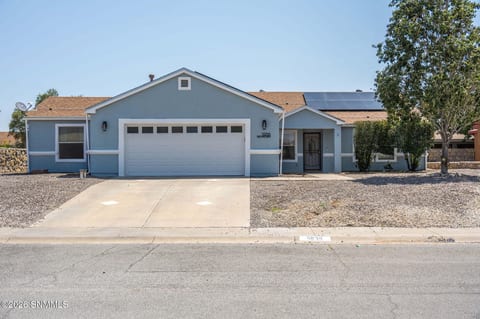
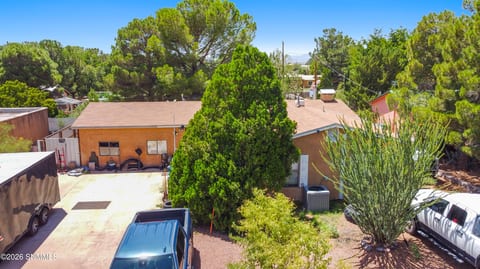
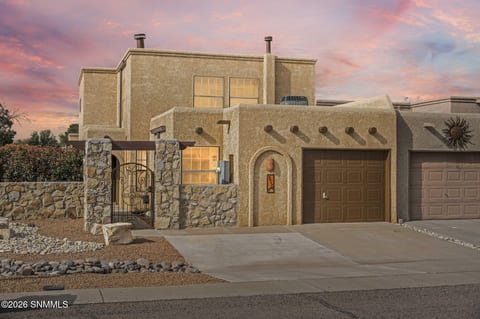
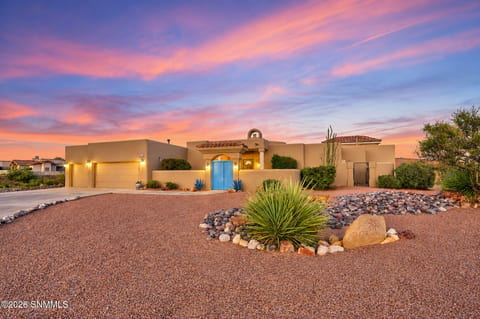
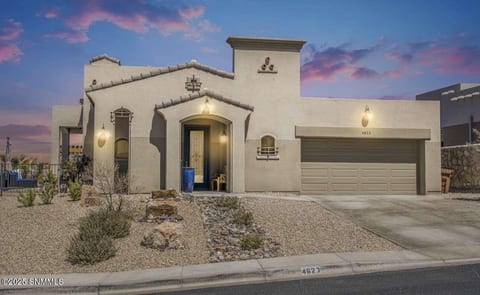

Listing information is deemed reliable but not guaranteed and may change without notice. As of Oct 25, 2026 1:53 PM MT.
Is Las Cruces safe?
Las Cruces violent crime rates are below national averages and significantly below larger NM cities. The 2024 FBI Uniform Crime Reporting data placed Las Cruces violent crime rate well below Albuquerque, Roswell, and Hobbs. Property crime exists, mostly auto burglary and theft from unlocked vehicles. Most Las Cruces neighborhoods are safe walking neighborhoods. Specific submarkets (NMSU area, east mesa, west mesa, Mesilla) feel particularly safe.
Common sense applies: lock cars, lock houses, lock garages. Specific neighborhoods near the train yard and some older central areas have higher property crime rates. Patino Real Estate maps the crime data by submarket on the first buyer call.
Cost of living in Las Cruces
Cost of living in Las Cruces runs roughly 90-95% of the US average. Housing is the biggest driver of the savings: median home prices ($320,000 in 2026) are 30-50% below Phoenix, Denver, Portland, Seattle, and most California metros. Property taxes (0.7-0.9% of assessed value) are dramatically lower than Texas, much of Colorado, and most California counties.
Groceries, dining, and utilities run close to US average. Auto insurance and gasoline run slightly below average. State income tax is on the higher side (NM has a state income tax of 1.7%-5.9%). Sales tax is moderate (around 8% combined in Las Cruces). Total tax burden typically favors NM over Texas (no state income tax but very high property tax), California, and most coastal states.
Climate: how hot, how cold, how wet
Las Cruces sits at 3,900 feet in the high desert. Climate is dry and sunny: 300+ sunny days a year, summer highs 95-100°F (with low humidity, mostly 15-25%), winter lows around freezing but rarely sustained below freezing. Snow happens but rarely accumulates more than a couple inches before melting same-day.
Monsoon season runs July-September with afternoon thunderstorms that can be dramatic but typically last under an hour. Annual rainfall around 9 inches (very dry). Wind picks up in spring (March-May) with occasional dust events but nothing like West Texas.
Does Las Cruces flood?
Las Cruces is mostly outside FEMA flood zones because of the dry climate. The Rio Grande runs west of the city but is heavily managed and rarely floods residential areas. Monsoon thunderstorms can cause flash flooding in arroyos (dry washes), which is why most subdivisions are graded to drain away from homes and certain low-lying spots are zoned non-residential.
Specific properties near arroyos, in the southwest valley, or in older flat-graded subdivisions can flood in extreme monsoon events. Patino Real Estate flags flood risk on every property tour. NM flood insurance is dramatically cheaper than Gulf Coast or Florida flood insurance.
Schools in Las Cruces
Las Cruces Public Schools (LCPS) is the largest district, covering most of the city. Several charter schools (Alma d'Arte, Las Cruces Catholic Academy, Mesilla Valley Christian, several Spanish-immersion charters) operate alongside LCPS. Specific schools rank well on standardized testing: Centennial High School, Organ Mountain High School (formerly Onate), Picacho Middle School, Sonoma Elementary, and Mesilla Park Elementary appear regularly in state top rankings.
Gadsden Independent School District covers southern Doña Ana County (Anthony, Santa Teresa, Sunland Park, parts of Las Cruces fringe). Hatch Valley Schools covers Hatch and the northern county.
NMSU brings significant intellectual capital to the city, with faculty and graduate students raising the educational level. Several private and home-school options operate alongside public schools.
Water supply: should I worry?
Las Cruces water comes primarily from the Mesilla Aquifer and surface water rights tied to the Rio Grande Project. The aquifer has been monitored for decades. Las Cruces has been on conservation rates and tiered pricing for years to manage demand.
For the average resident, water is reliable and reasonably priced (lower than Phoenix, Tucson, or most California metros). Outdoor watering is restricted to specific days. Long-term water security is a regional concern across the Southwest and Las Cruces is in better shape than many comparable cities, but residents should expect to landscape with xeriscape principles (low water plants, gravel, low turf area).
Property taxes in Doña Ana County
Doña Ana County property tax rates run 0.7% to 0.9% of assessed value depending on the specific tax district (Las Cruces city, county, school district, special districts). On a $325,000 home that's roughly $2,275 to $2,925 per year, or about $190 to $245 per month.
For comparison: Texas counties bordering NM (El Paso, Hudspeth) run 2-2.5% of assessed value. Comparable home in El Paso pays $7,000-$8,000 per year in property tax versus $2,300-$2,900 in Las Cruces. New Mexico also offers a homestead exemption that lowers the taxable value further on owner-occupied primary residences.
HOA fees in Las Cruces
Not every Las Cruces neighborhood has an HOA. Older central neighborhoods, much of Mesilla, the historic districts, and most rural property is HOA-free. Newer master-planned communities (Sonoma Ranch, Metro Verde, Sierra Norte Heights, Picacho Hills) typically have HOAs with fees ranging from $50 to $300 per year for basic HOAs to $500-$1,500 per year for amenity-rich communities (pool, gym, gated, golf access).
Patino Real Estate flags HOA status and reads the CC&Rs on every property tour. Some HOAs restrict rental, vehicle parking, exterior modifications, and color choices.
Commute times in Las Cruces
Las Cruces is small. Cross-town drives rarely exceed 20 minutes. Common commute patterns:
- NMSU: 10-15 minutes from most Las Cruces neighborhoods.
- White Sands Missile Range (east gate): 30-45 minutes via US-70.
- White Sands Missile Range (Alamogordo): 1 hour via US-70.
- El Paso (west side): 35-45 minutes via I-10.
- El Paso International Airport: 50 minutes via I-10.
- NMSU Arrowhead Park research campus: 10-15 minutes.
Things to do in Las Cruces
Las Cruces offers a surprising range of activity for a city its size. Outdoor: Organ Mountains hiking, Dripping Springs trail system, White Sands National Park (45 min east), Aguirre Spring camping, City of Rocks State Park (1 hour northwest), Spaceport America tours, hot springs in Truth or Consequences (1 hour north).
Cultural: Mesilla plaza and historic district, Las Cruces Farmers Market (one of the largest in NM, weekly), NMSU events, La Casa de Arte gallery district, Branigan Cultural Center, multiple wineries in the Mesilla Valley, NMSU sports (especially basketball).
Food: Mexican and New Mexican cuisine is the strong suit. La Posta in Mesilla, Andele's, Si Italian, Double Eagle, and many smaller spots. NMSU's growth has driven a small but real foodie scene.
Frequently asked questions
Is Las Cruces a good place to live?
Is Las Cruces safe?
How hot does it get in Las Cruces?
Does Las Cruces have good schools?
What is the cost of living in Las Cruces?
Does Las Cruces have water shortage problems?
What are property taxes in Las Cruces?
Are there HOAs in Las Cruces?
How far is Las Cruces from El Paso?
What's Las Cruces known for?
Thinking about moving to Las Cruces?
Patino Real Estate has a relocation track for out-of-state buyers. Free 30 minute video call covers submarket fit, school match, budget math, lender intro.
📞 Call (575) 520-7604